PROHIBITION IN WINDSOR ESSEX
Prohibition refers to the time period in the 19th and 20th centuries when the manufacture, sale, and transportation of alcohol was against the law. While Ontario had Prohibition laws, their enforcement was complicated as they were not consistent between provinces and countries.
The Art of Rum Running

Windsor’s location directly across the river from Detroit also made it a convenient point for smuggling alcohol into the U.S. During the 13 years of U.S. Prohibition (1920 to 1933), Windsor Essex was a major bootlegging hub, and the area was known as the ‘Windsor Detroit Funnel’. In fact, most of the liquor being smuggled into the U.S. during this time was from Canada, and it is estimated that as much as 75% – 80% came across the Detroit River! People carried it up sleeves, strapped under clothes, even in car tires. Larger smuggling operations were prevalent. One famous bootlegger, ‘King Canada’, smuggled alcohol by truck, boat and plane. Often these shipments went to big time operators like Al Capone or the Purple Gang who needed large supplies of alcohol daily. Planes were loaded up in darkness and took off from farmers fields. Docks all along the Detroit River stored boatloads of alcohol awaiting transport. Trucks loaded with crates of alcohol were driven across the frozen Detroit River in the winter – and the many that did not make it across can still be found at the bottom today.
Exceptions to Prohibition laws were exploited. Shipment crates were purposefully given the wrong labels as it was legal to ship alcohol to places that did not have Prohibition. Many boats seemed to be making four trips a day to ‘Cuba’.


History Pours From This Place
The waterfront from Lakeshore to Amherstburg was lined with speakeasies, places where alcohol was illegally sold and consumed. Lookouts were posted and buzzer systems were installed to warn of impending raids, at which time all evidence of drinking and gambling were hidden away in secret rooms and compartments.
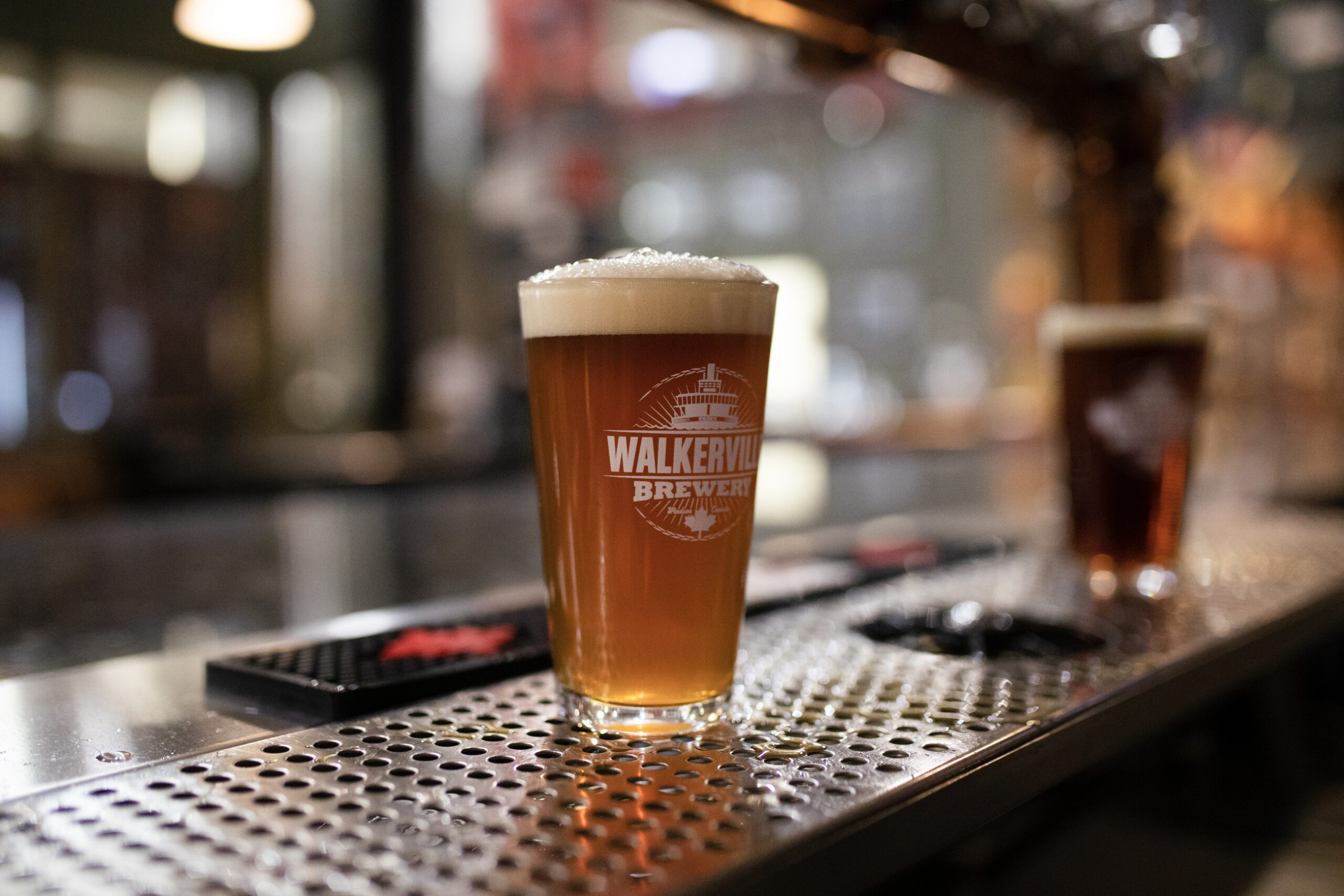
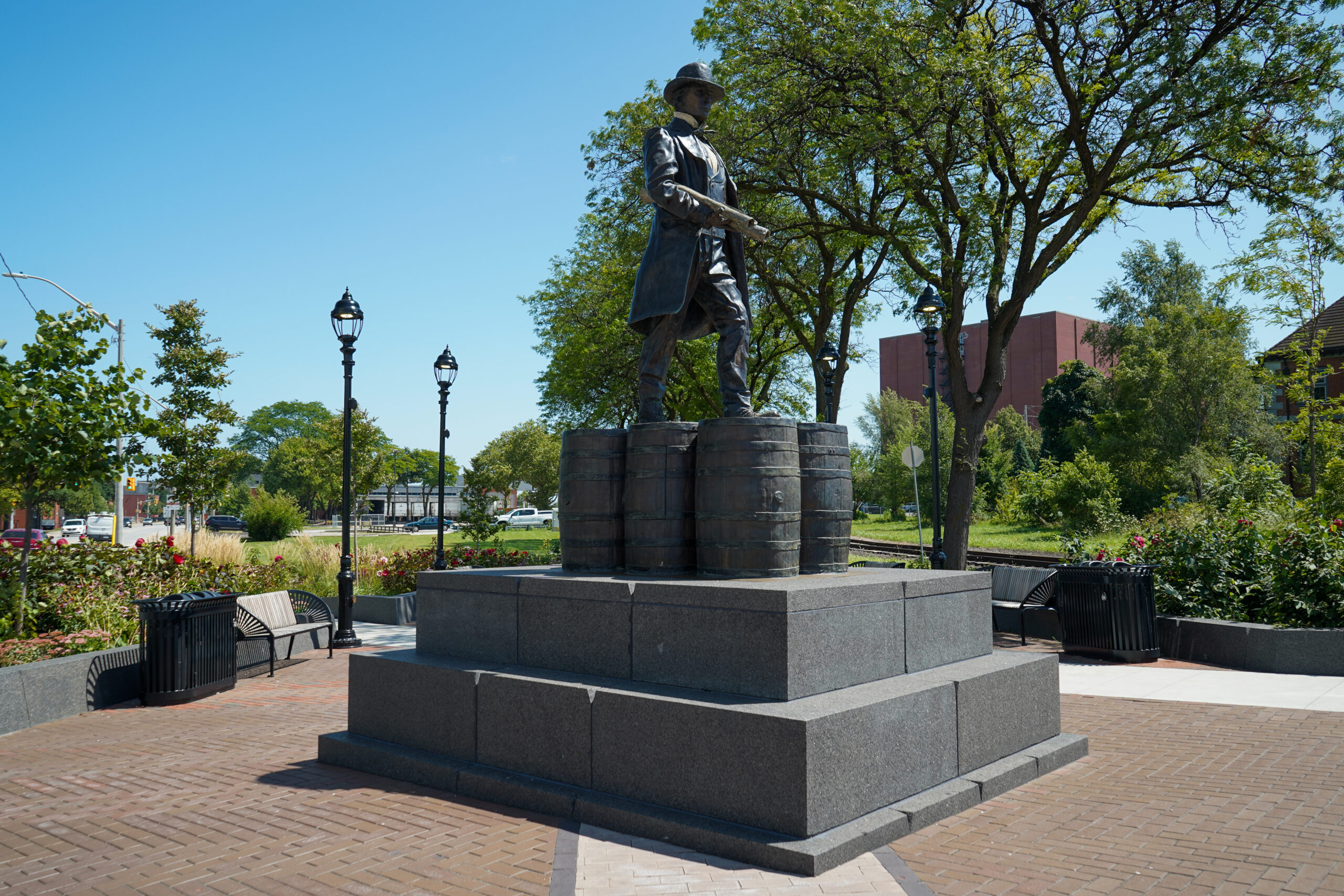
Alcohol was being produced in Windsor by many breweries along the riverfront, including Hofer Brewery, owned by Vital Benoit, the first mayor of LaSalle. In fact, as early as 1856, entrepreneur Hiram Walker saw the growing strength of the temperance movement in Michigan and moved his whisky distillery to Windsor. There, his distillery became a major exporter of alcohol during Prohibition. As one of Walker’s best clients, Al Capone was known to visit Windsor and reportedly sent thousands of cases of Canadian Club south of the border. Hiram’s whisky, Canadian Club, became a brand icon that made Canada famous on a global scale. The Town of Walkerville was built around the distillery, and with it came many amenities including paved streets, streetcars, and a railway line. Hiram Walker also opened the original Walkerville Brewery in 1890.
Another bootlegger and entrepreneur in the area, James Scott Cooper, took advantage of a loophole that did not make it illegal for Ontario distilleries to fill orders from outside of the province. He set up an office in Detroit where Ontarians could order their alcohol, then fill those orders from alcohol stored in Windsor warehouses. He used a portion of his amassed fortune to help develop the community of Belle River, including the Cooper Court Motel and Bar.
Relive the prohibition era
With providing self-guided walking tours, historical buildings and immersive tours such as the Rum Runners Tour and Windsor Premier Cruises, you can travel back in time to this storied era and the people and places, including Windsor’s Distillery District, that defined it. We invite you to explore our history one barrel, bottle and bootlegger at a time.